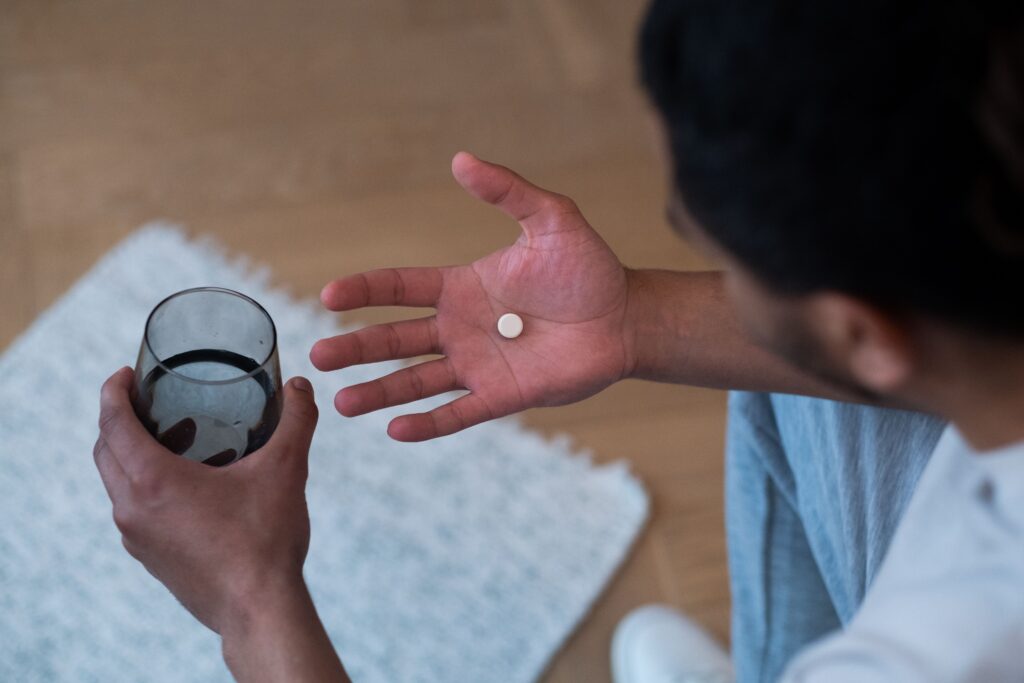
Finasteride is not a treatment you take for a few months and stop. If it works for you, the plan is to keep taking it indefinitely — because the benefit only lasts as long as the medication is active in your system. That reality makes long-term safety the single most important question to answer honestly before starting, far more important than the short-term side effect statistics that usually dominate the conversation.
The good news is that finasteride has an unusually long track record for a hair loss treatment. It has been used for benign prostatic hyperplasia since 1992 and for hair loss since 1997, which means there is genuinely long-term data available — not just theoretical safety, but real outcomes from men who have taken it for a decade or more.
What Decades of Use Actually Show
Long-term extension studies — including ones following men for ten years of continuous use — consistently report that finasteride remains effective and that the rate of side effects does not increase over time. If anything, the incidence of sexual side effects, which are the most commonly discussed concern, tends to decrease in later years of use compared to the first year, both in absolute terms and as men who experience side effects typically identify and address them, or stop, relatively early.
This pattern — most side effects emerging early or not at all, rather than accumulating with prolonged use — is one of the more reassuring findings in the long-term data, since it suggests finasteride does not create a cumulative or progressively worsening risk the longer someone takes it.
What the Research Has Tracked Over Time
Sexual Side Effects
The most studied long-term concern. Across extension studies, the proportion of men reporting sexual side effects such as reduced libido or erectile difficulty remains low — typically in the low single digits as a percentage of users — and does not show a pattern of worsening with years of continued use. Most men who experience these effects do so within the first year, and many of those see resolution even while continuing treatment.
Prostate Health
Because finasteride was first developed for prostate conditions at a higher dose, there is substantial long-term prostate safety data. At the 1mg dose used for hair loss, finasteride is not associated with increased prostate cancer risk. There is a documented effect worth knowing about for monitoring purposes: finasteride lowers PSA (prostate-specific antigen) levels, the marker used in prostate cancer screening, by roughly 50 percent. This means men on long-term finasteride should inform their doctor before any PSA test, since the result needs to be interpreted with this adjustment in mind — not because finasteride increases cancer risk, but because it can mask the marker used to detect it if the adjustment is not accounted for.
Mood and Mental Health
Some studies and case reports have explored a possible association between finasteride and mood changes, including depression, in a subset of users. The data here is less conclusive than for sexual side effects — some studies find an association, others do not, and establishing causation in mood-related outcomes is notoriously difficult given how many other factors influence mental health. Men with a personal or family history of depression may reasonably want to discuss this specific point with a doctor before starting, and monitor their mood proactively if they do.
Cardiovascular and Metabolic Markers
Long-term studies have not found significant adverse effects on cardiovascular health, cholesterol, or general metabolic markers associated with finasteride use. This is a meaningfully different risk profile than oral minoxidil, which does carry cardiovascular considerations due to its mechanism as a vasodilator — finasteride’s hormonal mechanism does not carry the same category of systemic physiological risk.
Post-Finasteride Syndrome: What Is Actually Known
This is the topic that generates the most anxiety and the least scientific consensus, and it deserves a direct, honest treatment rather than dismissal in either direction.
A subset of men report persistent sexual, physical, or cognitive symptoms continuing after they stop taking finasteride — sometimes for months or years beyond when the drug should have cleared their system and hormone levels should have normalized. This pattern is what has come to be called post-finasteride syndrome.
The honest scientific position, as of current research, is genuinely unsettled. Large epidemiological studies have generally not found a significantly elevated rate of these persistent symptoms in finasteride users compared to non-users, which argues against a common or easily detectable syndrome. At the same time, the reports from affected men are consistent enough in their description that dismissing them outright would be premature, and some research groups continue to investigate potential biological mechanisms, including effects on neurosteroid pathways that might explain persistent symptoms in a vulnerable minority.
What this means practically: the risk of post-finasteride syndrome appears to be low based on current population-level data, but it is not zero, and it is not yet fully understood at a mechanistic level. This uncertainty itself is a reasonable factor to weigh — not as a reason to assume the worst, but as a reason to take any unusual or persistent symptoms after stopping seriously rather than assuming they will self-resolve on a fixed timeline.
Does Long-Term Use Change the Side Effect Profile?
Based on available data, no — and this is one of the more reassuring aspects of long-term finasteride use. The studies tracking men over ten or more years do not show a pattern of new side effects emerging that were not present earlier, nor do they show existing side effects worsening progressively. The risk profile established in the first year or two appears to remain largely stable for as long as the studies have followed users.
| Duration of Use | What the Data Shows |
|---|---|
| Year 1 | Highest reported incidence of sexual side effects; most who experience issues notice them in this period |
| Years 2–5 | Side effect rates remain stable or decrease slightly; effectiveness typically sustained or improved |
| Years 5–10 | No evidence of new or worsening side effects; long-term extension studies show continued effectiveness |
| 10+ years | Limited but available data continues to show a stable safety profile in men who tolerated initial years well |
Who Should Be More Cautious About Long-Term Use
While finasteride’s long-term profile is reassuring for most men, certain situations warrant a more cautious approach and closer medical supervision:
- Personal or family history of depression or significant mood disorders. Given the unresolved questions around mood effects, proactive monitoring is reasonable.
- Men planning regular PSA testing for prostate health. Not a safety concern itself, but requires informing the testing physician so results are interpreted correctly.
- Men who experienced side effects in the first year that did not resolve. Continuing despite unresolved side effects, hoping they will fade, is not well supported — if anything, the data suggests early side effects that persist are more predictive of an ongoing issue than a temporary one.
- Men with any history of unusual reactions to hormonal medications. Not a contraindication on its own, but worth discussing specifically with a prescribing doctor.
How to Approach Long-Term Use Responsibly
The safety data supports long-term use, but “supports” is not the same as “requires no attention.” A reasonable approach for men taking finasteride long-term includes periodic check-ins with a prescribing doctor, particularly in the first one to two years when most side effects would emerge, honest self-monitoring of libido, mood, and general wellbeing rather than dismissing changes as unrelated, and informing any doctor performing PSA testing about finasteride use so results are correctly adjusted.
None of this requires the intensive monitoring of a higher-risk medication. It reflects the same level of attentiveness you would reasonably apply to any medication taken for years, regardless of how good the underlying safety data is.
A Practical Example
A 31-year-old man starts finasteride for early androgenetic alopecia. He experiences no noticeable side effects in the first year and continues treatment. By year five, his hair has remained stable, he has had no new side effects, and a recent PSA test came back lower than his baseline — a result his doctor correctly attributed to finasteride’s known effect on the marker rather than misinterpreting it as a positive health change unrelated to the medication.
By year ten, he is still taking the same dose, his hair remains preserved, and his long-term experience matches what the decade-plus extension studies report for most men: stable benefit, no new side effects emerging over time, and a clear understanding with his doctor about how to interpret PSA results going forward.
Frequently Asked Questions
Is it safe to take finasteride for the rest of my life?
Based on available long-term data spanning over a decade in many studied men, finasteride’s safety profile remains stable over extended use. There is no strong evidence of cumulative risk that increases the longer someone takes it.
Does finasteride increase prostate cancer risk over time?
At the 1mg dose used for hair loss, finasteride is not associated with increased prostate cancer risk. It does lower PSA levels, which is a testing consideration rather than a safety concern, and should be communicated to any doctor performing PSA screening.
Is post-finasteride syndrome a real long-term risk?
The scientific consensus is unsettled. Large population studies have generally not found significantly elevated rates of persistent symptoms after stopping, but the reports from affected men are consistent enough that the possibility is taken seriously by researchers rather than dismissed. Current evidence suggests it is uncommon, though not fully understood.
Do side effects get worse the longer you take finasteride?
No. Available data shows side effects, when they occur, are most likely to emerge in the first year and do not show a pattern of worsening with continued long-term use.
Should I take breaks from finasteride during long-term use?
There is no established safety benefit to taking periodic breaks, and doing so will cause the protective effect on hair to fade, requiring a fresh adjustment period each time you restart. Continuous use is the standard approach unless a doctor advises otherwise for a specific medical reason.
Final Thoughts
Is finasteride safe long term? Based on the decades of available data, the answer leans clearly toward yes for most men — the side effect profile established in the first year or two tends to remain stable rather than worsening, and the most extensively studied long-term concerns, including prostate health and cardiovascular markers, have not shown significant cause for alarm at the dose used for hair loss.
The genuine area of remaining uncertainty is the rare but reported cluster of persistent symptoms some men describe after stopping. That uncertainty deserves honest acknowledgment rather than either dismissal or exaggeration. For most men, the practical approach is straightforward: monitor how you feel in the first year, maintain open communication with your doctor about PSA testing and any mood changes, and treat finasteride the way you would any long-term medication — with ongoing, reasonable attention rather than either blind confidence or unwarranted fear.
Written by ModernHairRecovery Editorial Team.