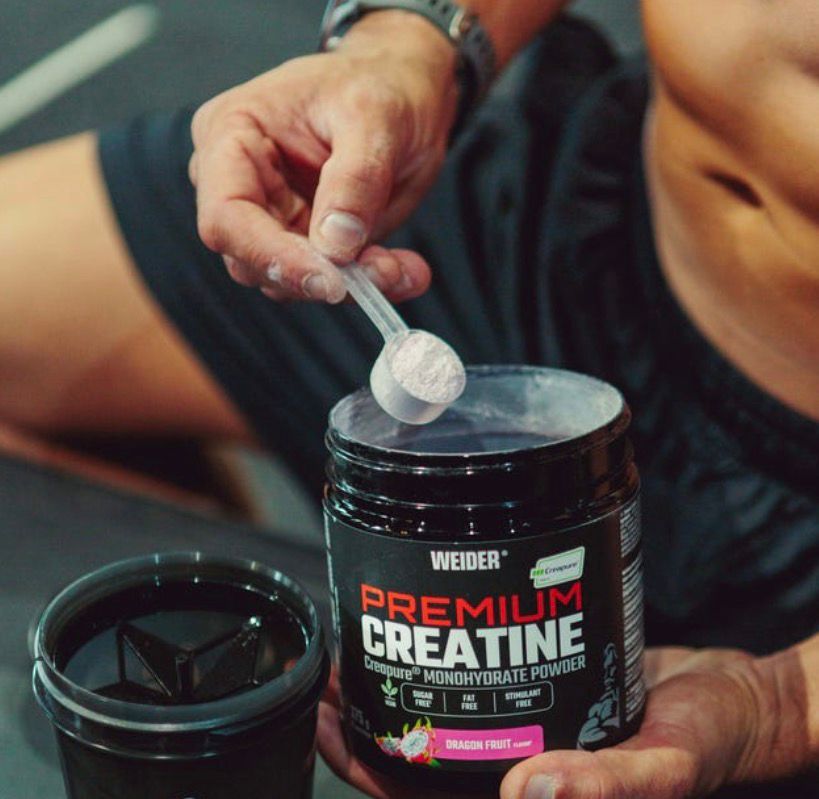
Creatine is one of the most popular and well-researched supplements in the world. Athletes, bodybuilders, and fitness enthusiasts have used it for decades to boost performance and build muscle. But one question keeps coming up: does creatine cause hair loss?
The concern is real — and understandable. Losing your hair is something nobody wants, and if a supplement could trigger it, you would want to know. In this article, we break down the actual science, look at the one study that started the rumor, and tell you what the evidence really says.
Quick Answer
| There is no direct scientific proof that creatine causes hair loss. |
| One small study found creatine may raise DHT levels — a hormone linked to hair loss. |
| DHT elevation does not automatically mean you will lose hair. |
| People with a genetic predisposition to hair loss should be aware of the potential risk. |
| No peer-reviewed study has shown creatine directly causes baldness. |
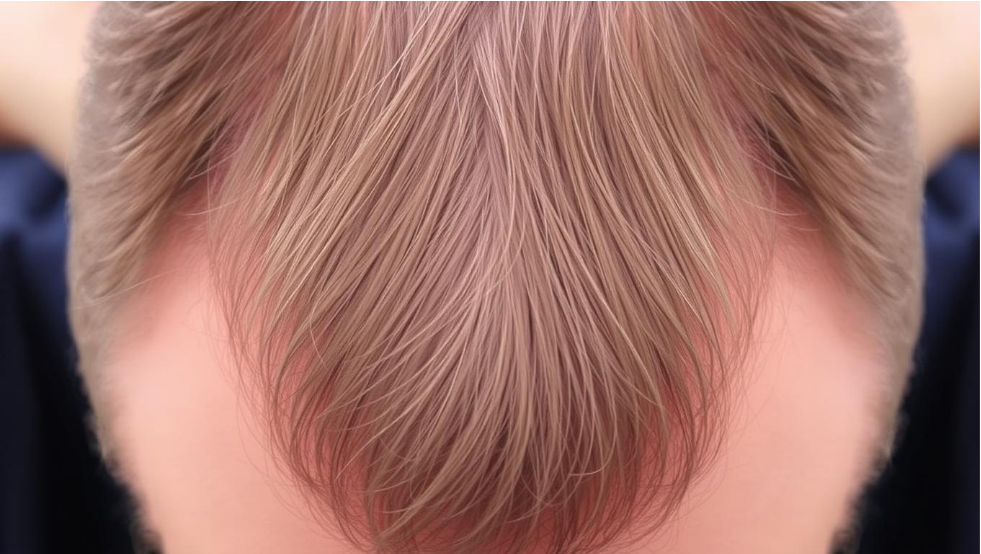
What Is Creatine and How Does It Work?
Creatine is a naturally occurring compound found in muscle cells. Your body produces it from amino acids, and you also get it from foods like red meat and fish. As a supplement, creatine is taken to increase phosphocreatine stores in the muscles, which helps produce more ATP — the primary energy currency of cells.
This is why creatine is so effective for high-intensity exercise: it allows muscles to work harder for longer before they fatigue. It is one of the few supplements that has consistent support from hundreds of clinical studies.
Common reasons people take creatine:
- Increase strength and power output
- Improve exercise performance and endurance
- Support muscle growth and recovery
- Enhance brain performance and focus
Where Did the Hair Loss Claim Come From?
The creatine-hair loss connection traces back to a single study published in 2009 in the Clinical Journal of Sport Medicine. Researchers from South Africa studied 20 college-aged rugby players over three weeks. The players were split into two groups: one took creatine, the other took a placebo.
After three weeks, the creatine group showed a significant increase in serum DHT (dihydrotestosterone) levels — about a 56% rise during the loading phase, leveling off to a 40% increase during the maintenance phase. Their DHT-to-testosterone ratio also increased.
Here is the important part: the study did not measure hair loss. No one in the study lost their hair. The researchers only measured hormone levels, not scalp changes, follicle activity, or actual hair shedding.
Why DHT Matters for Hair Loss
DHT is a potent androgen derived from testosterone via the enzyme 5-alpha reductase. In people with androgenetic alopecia (male or female pattern baldness), DHT binds to hair follicle receptors and miniaturizes them over time, eventually stopping hair growth.
Key point: DHT only causes hair loss in people who are genetically sensitive to it. If you do not carry the genetic predisposition for androgenetic alopecia, elevated DHT is unlikely to cause noticeable hair loss.
What Does the Rest of the Research Say?
The 2009 study sparked widespread concern, but the scientific community has raised several important criticisms about it:
- The sample size was tiny: only 20 participants.
- It was a short-term study of just three weeks.
- No follow-up studies have replicated the DHT increase finding.
- No study has directly linked creatine supplementation to measurable hair loss.
A broader review of creatine research published in the Journal of the International Society of Sports Nutrition concluded that creatine is safe for healthy individuals. The review found no evidence linking creatine to hair loss or significant hormonal disruption.
The International Society of Sports Nutrition (ISSN) also considers creatine monohydrate the most effective ergogenic nutritional supplement currently available, with no evidence of harmful side effects in healthy people when taken at recommended doses.
So Who Should Be Cautious?
While the evidence does not confirm creatine causes hair loss, it would be irresponsible to completely dismiss the potential concern. Here is a nuanced view:
Higher Risk: Genetically Predisposed Individuals
If you have a family history of androgenetic alopecia (male pattern baldness or female pattern hair thinning), your follicles may be more sensitive to DHT. In this case, even a modest increase in DHT could theoretically accelerate the process.
If this applies to you, it may be worth monitoring your hair closely when starting creatine and consulting a dermatologist or trichologist.
Lower Risk: People Without Genetic Sensitivity
If there is no history of hair loss in your family and you have no signs of follicle sensitivity, the risk of creatine affecting your hair is considered very low. The temporary DHT fluctuation seen in one small study is unlikely to have a meaningful impact on follicle health.
Does Creatine Affect Testosterone Levels?
This is a common misconception. Multiple studies have confirmed that creatine supplementation does not significantly raise total testosterone levels. The 2009 study specifically noted that testosterone itself did not change — only the conversion ratio of testosterone to DHT appeared to shift.
This is a subtle but important distinction. Creatine may influence the 5-alpha reductase pathway in some individuals, but it does not behave like anabolic steroids or testosterone-boosting compounds.
Creatine vs. Other Hair Loss Triggers
It is also worth putting creatine in context. Many other factors are far more strongly linked to hair loss:
| Factor | Evidence Strength |
|---|---|
| Genetics (androgenetic alopecia) | ⭐⭐⭐⭐⭐ Very Strong |
| Stress (telogen effluvium) | ⭐⭐⭐⭐ Strong |
| Hormonal imbalances (thyroid, DHT) | ⭐⭐⭐⭐ Strong |
| Nutritional deficiencies (iron, biotin, zinc) | ⭐⭐⭐ Moderate |
| Certain medications (finasteride, chemo) | ⭐⭐⭐⭐ Strong |
| Creatine supplementation | ⭐ Very Weak / Inconclusive |
Tips If You Want to Use Creatine and Protect Your Hair
If you are concerned but still want to take creatine, here are some practical steps:
- Stick to recommended doses. The standard maintenance dose is 3–5g per day. Avoid excessive loading phases.
- Monitor your scalp. Take photos of your hairline every 4–6 weeks to track any changes objectively.
- Consult a dermatologist. If you have a family history of baldness, get a professional assessment before starting.
- Consider alternatives. If you notice increased shedding after starting creatine, discontinue and observe if it reverses.
- Support hair health. Ensure you are getting enough protein, iron, zinc, and biotin in your diet.
The Verdict
| Does creatine cause hair loss? The honest answer is: probably not for most people. |
| The only evidence connecting creatine to hair loss is one small, short study from 2009 that measured DHT levels — not actual hair loss. |
| No follow-up study has replicated these findings at a meaningful scale. |
| If you are genetically predisposed to hair loss, proceed with awareness. Monitor changes and speak to a specialist. |
| For the vast majority of users, creatine remains one of the safest and most effective supplements available. |
Frequently Asked Questions
Can creatine cause hair loss?
There is no strong scientific evidence that creatine directly causes hair loss. One study found it may raise DHT levels, but no study has measured actual hair shedding as a result of creatine use.
Does creatine increase DHT?
A 2009 study found that creatine supplementation was associated with increased DHT-to-testosterone ratios in a small group of rugby players. However, this finding has not been replicated in larger or longer studies.
Is creatine safe for people with thinning hair?
If you are already experiencing hair thinning and are genetically predisposed to androgenetic alopecia, you may want to use creatine cautiously and consult a dermatologist. The risk is not confirmed, but the mechanism is plausible.
Will stopping creatine reverse hair loss?
Since no study has confirmed creatine causes hair loss, there is no evidence that stopping will reverse it. If you are losing hair, it is more likely linked to genetics, stress, or nutritional factors.
How much creatine is safe to take?
The standard evidence-based dose is 3–5 grams per day. A loading phase of 20g per day for 5–7 days is sometimes used but is not necessary. Staying within recommended doses minimizes any potential side effects.
Does creatine affect testosterone?
No. Multiple studies confirm that creatine does not significantly raise total testosterone levels. It may influence the conversion of testosterone to DHT in some individuals, but it is not a testosterone booster.
Written by ModernHairRecovery Editorial Team.